洛杉矶住宅 | Barry Fox | 2026 | 美国
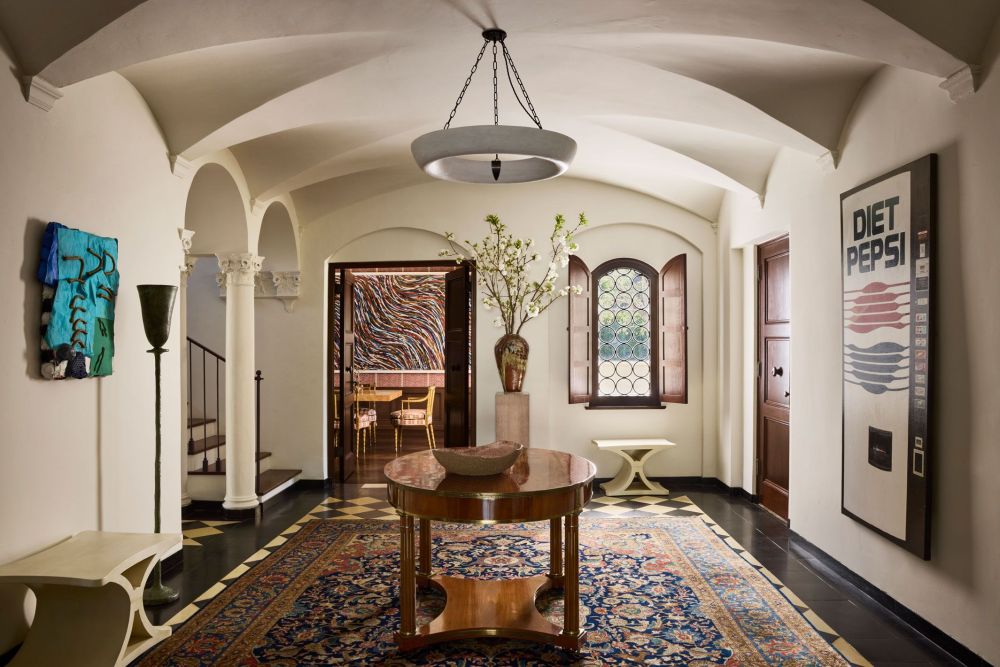
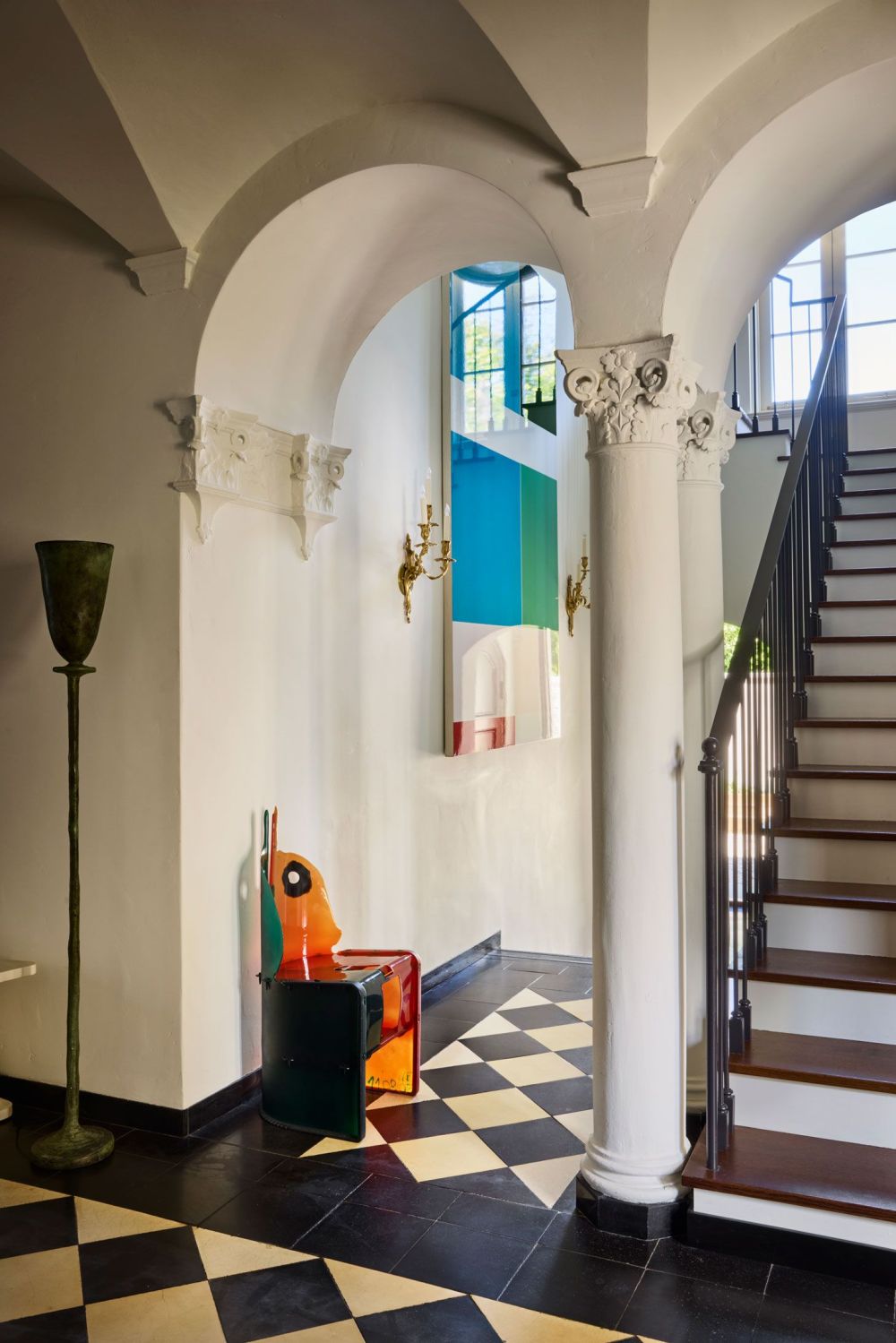
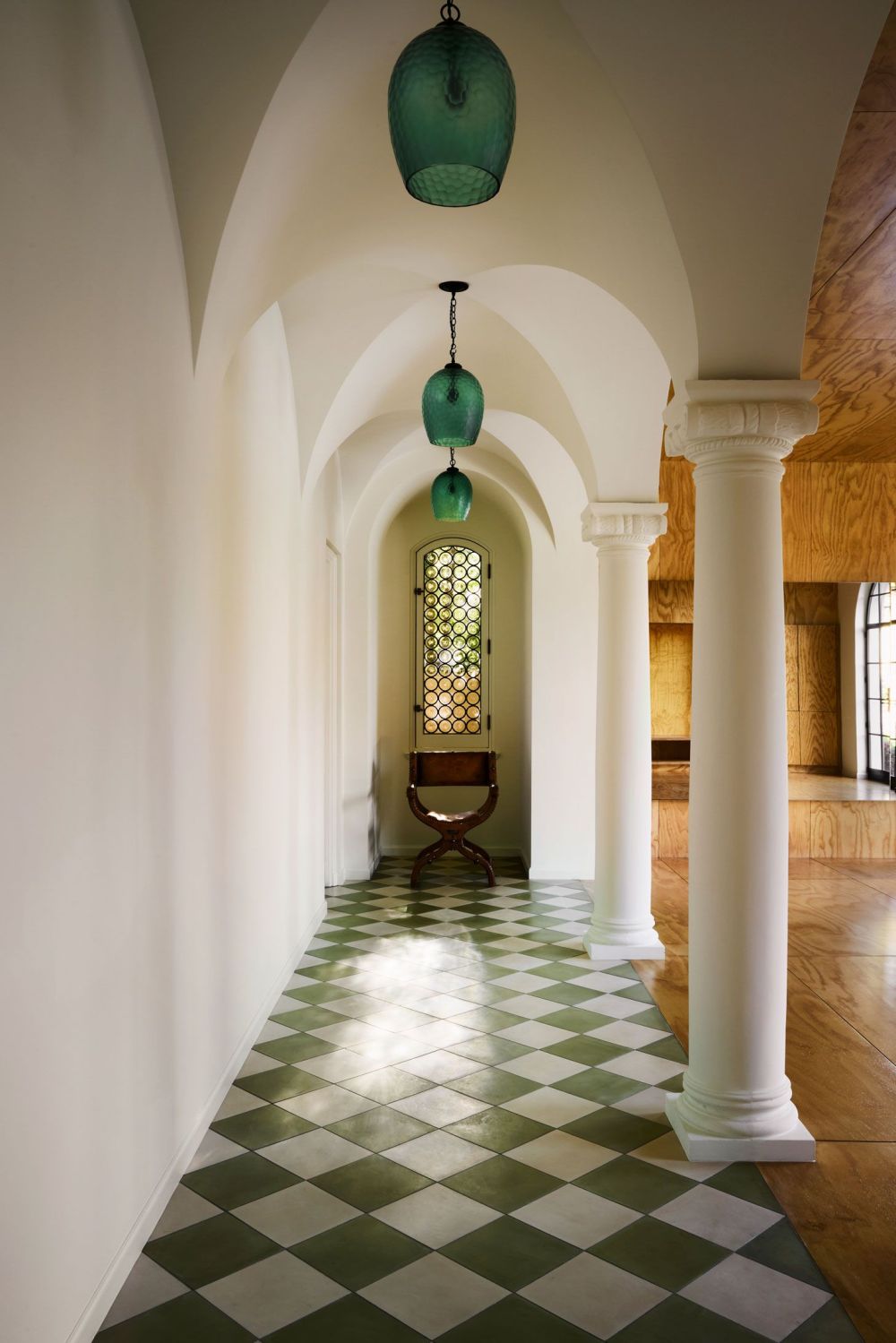
The decision to buy this 1920s LA home took only a few minutes over a FaceTime call, yet the careful restoration process unfolded over many years. Originally designed by James Dolena — the architect behind the Walt Disney estate — the Spanish Colonial Revival-style property came with clear historic pedigree. For the new owners, a film producer and a former beauty executive, the goal was not to strip the 1928 Hancock Park residence of its period detail, but to treat its restoration with the care of true custodians.
To help them inhabit the mindset of its original inhabitants, the couple brought in June Street Architecture for structural updates and local designer Barry Fox to curate the interiors.
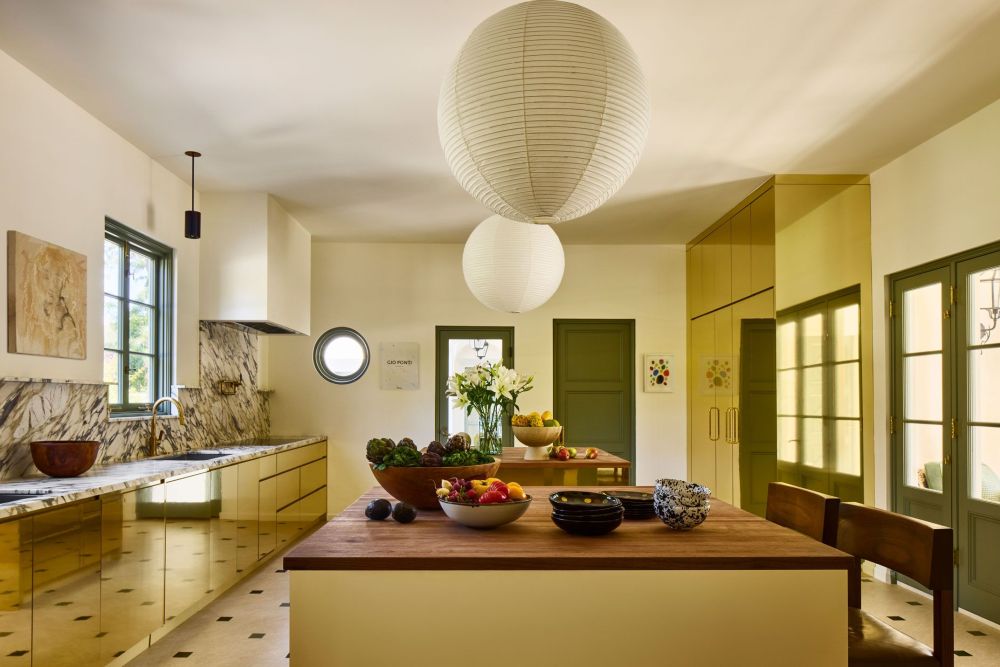
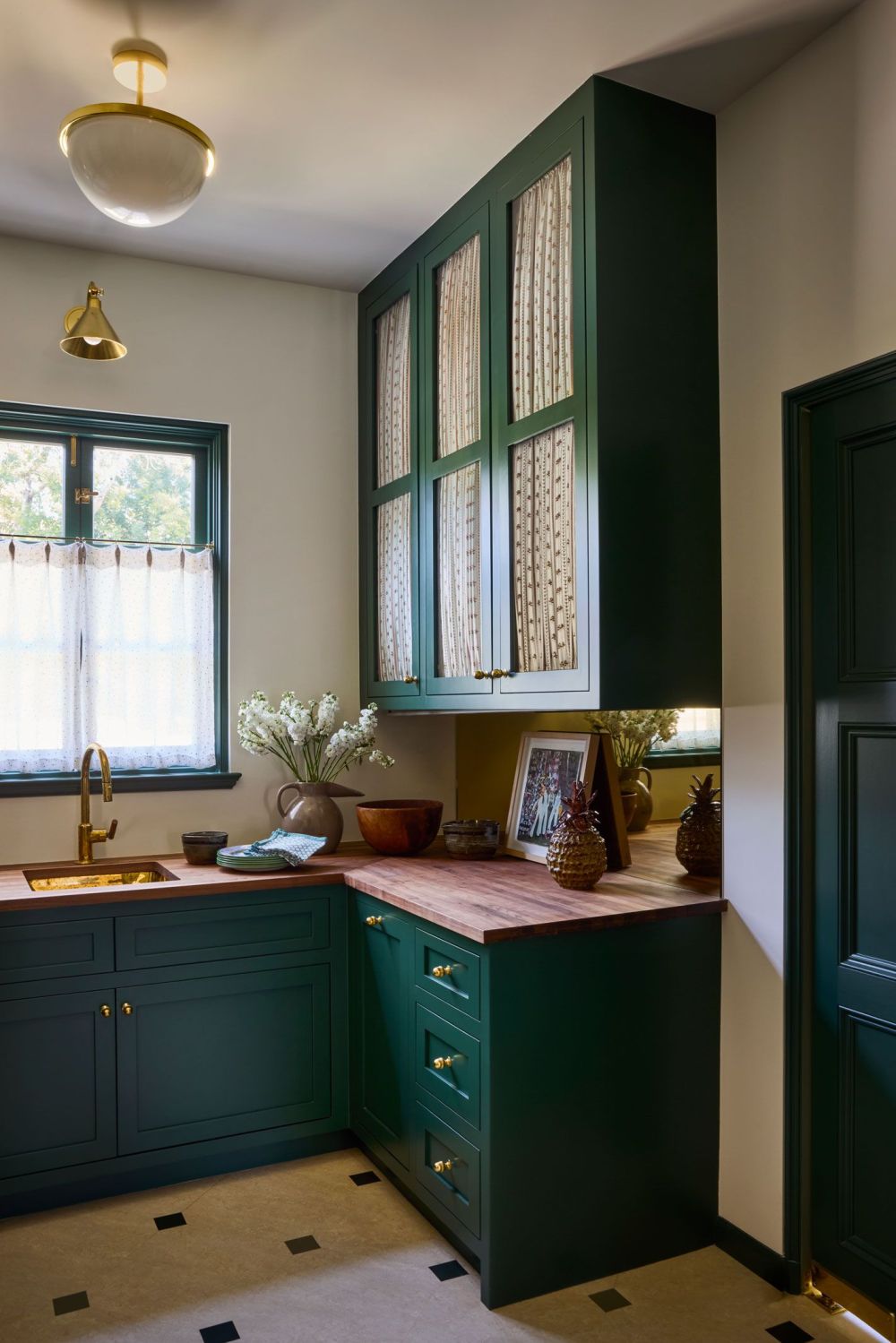
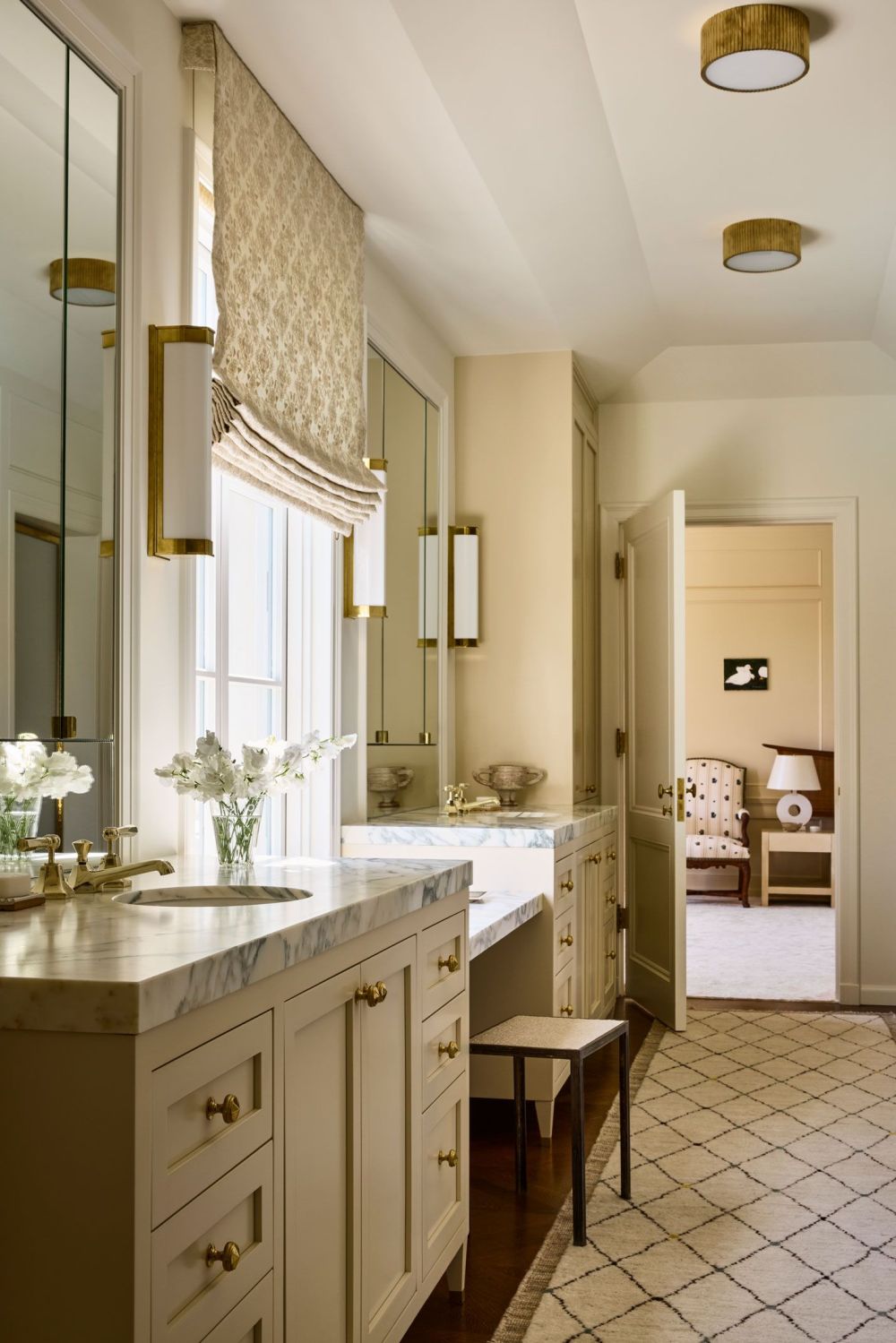
“What would a family in the 1920s have wanted? They would’ve wanted something that was ultramodern,” the wife says of the sleek kitchen, clad in Calacatta marble and reflective brass. While the laboratory-like space might initially seem at odds with a preservation-minded renovation, it perfectly embodies the owners’ guiding philosophy. “Our interpretation is more historicist in ideology than practice, and for us to put in a kitchen that felt a bit like a futuristic envelope-push compared to the rest of the architecture was really exciting.”
Led by June Street Architecture principal Sonny Ward, the painstaking structural updates of the James Dolena–designed residence discreetly expanded the living spaces to include, among other additions, a subterranean three-tier screening room, while preserving the protected edifice, lush courtyard, and unusually deep circular swimming pool. “The intervention demonstrates how thoughtful engineering can support preservation,” says Ward. “We didn’t see it as our right, frankly, to dramatically alter the home,” adds the wife of their approach. Though the undertaking was extensive, the couple — who divide their time between New York and Los Angeles with their two school-age children — remained guided by a sense of responsibility to the house and its history.
That philosophy carried into the interiors. “At the very beginning of the project, we talked about, ‘What’s a chopped and screwed Mongiardino?’ We were trying to combine these different vernaculars, these different linguistic idioms to come up with the right mix of weirdness,” the wife says of the trio’s early conversations. “Or, ‘What if Jacques Grange, instead of being a French Burgundy, were a funky natural orange wine? What would that look like?’”
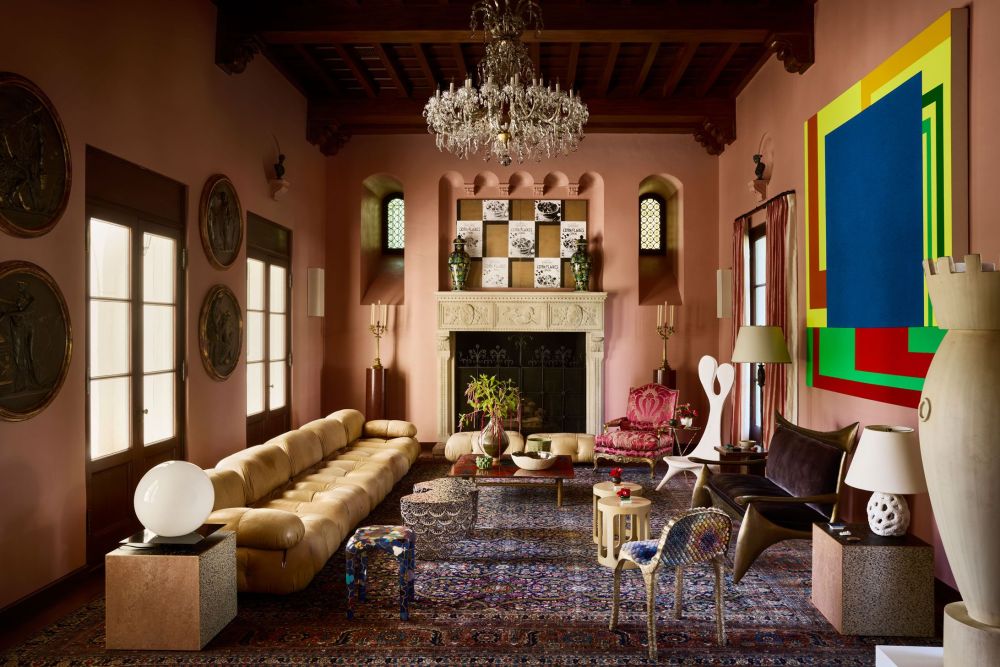
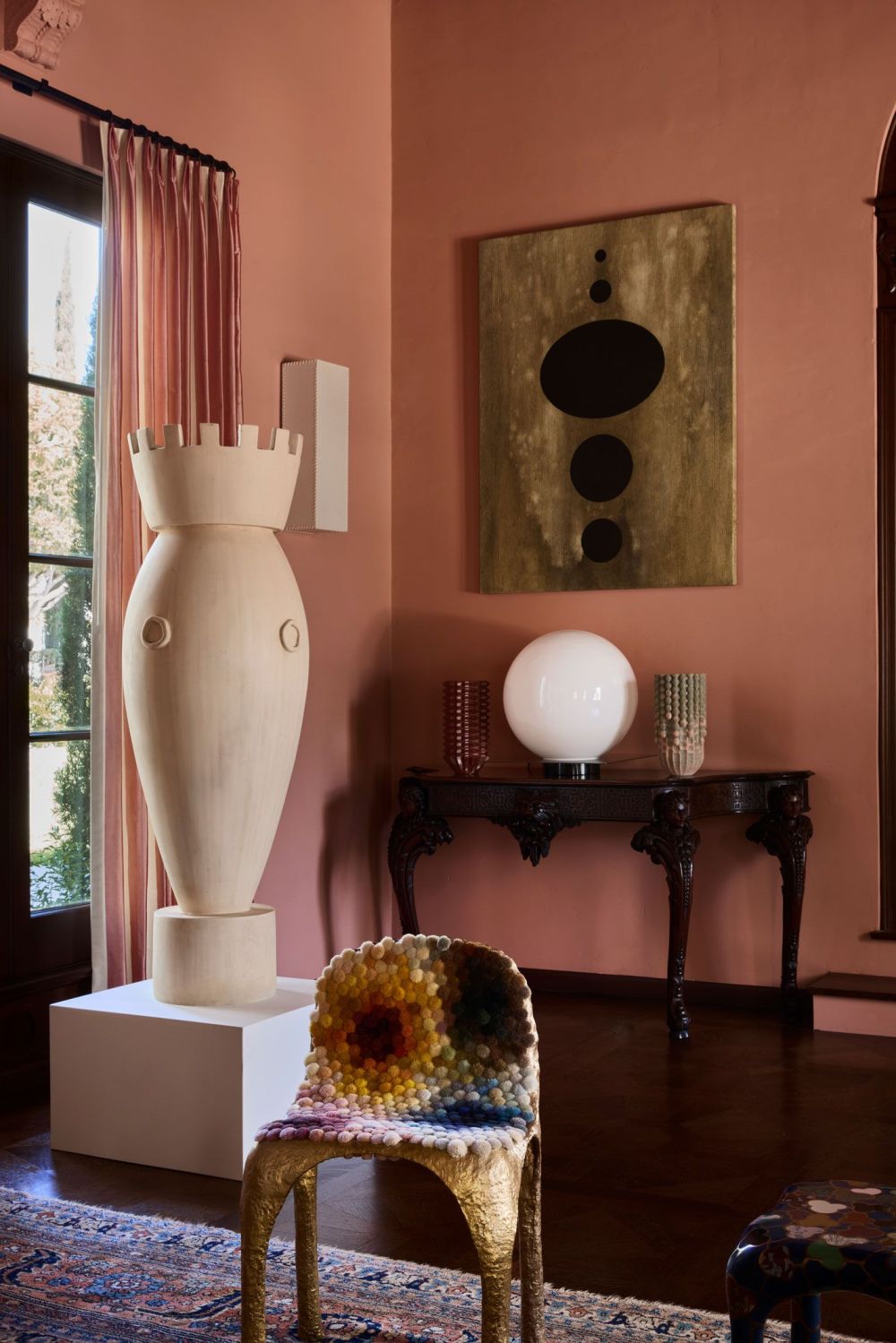
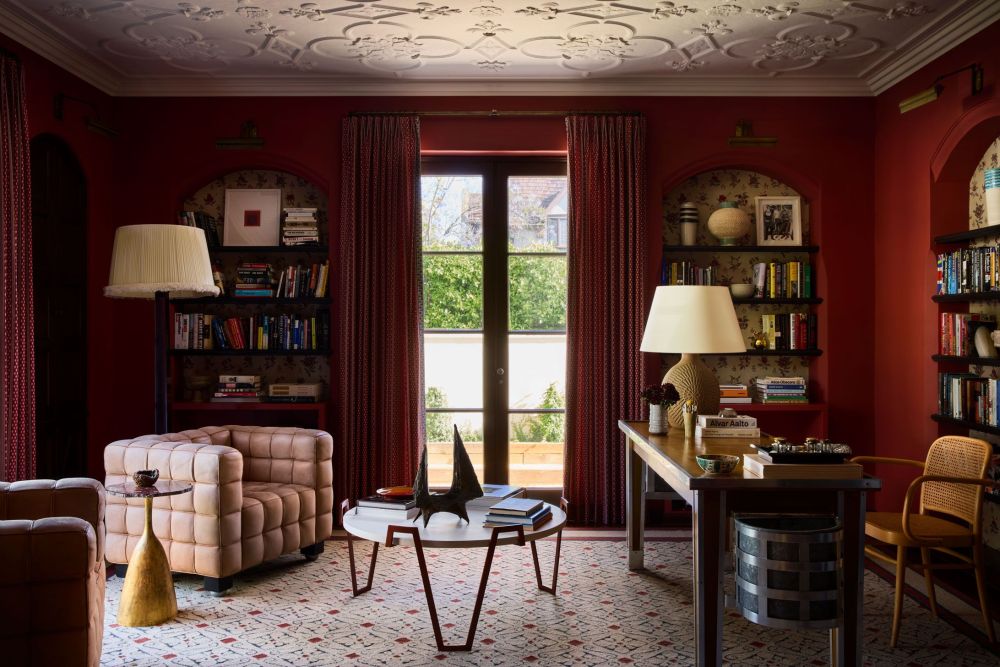
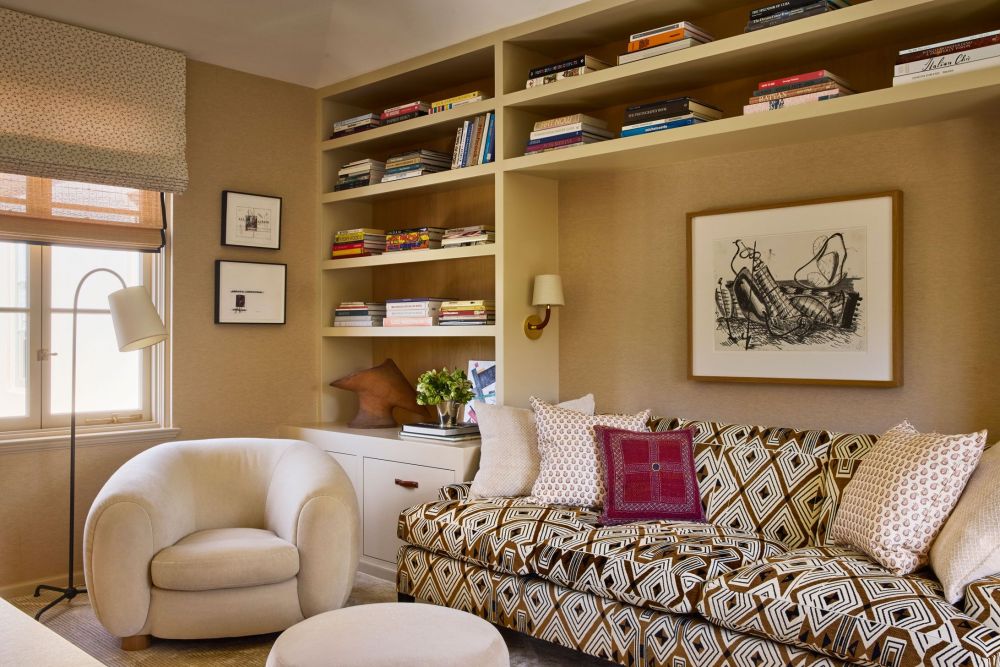
Fox, who first met the clients through a mutual friend more than a decade ago, describes the resulting aesthetic as “counter-trend in a positive way.” In the sunset-hued living room, for example, a tan-leather-wrapped Mario Bellini sofa shares the space with 18th-century pier tables beneath a geometric Day-Glo canvas by Peter Halley. “None of it makes sense on paper,” the wife admits. Though everyone agreed that comfortable California living did not require a sea of “floppy” cream-colored sofas. “I think that a formal house, with a really strict organising principle around how rooms are used, actually makes it more comfortable,” she explains. As a result, the LA home’s relaxed family spaces remain distinct from its sequence of more traditional public rooms and the primary suite.
The husband, a lifelong collector of fine art and antiques, was particularly invested in ensuring the interiors struck the right balance between refinement and livability. While praising Fox’s and his wife’s shared ability to create beauty by “manufacturing new intense aesthetics within the context of a room,” he also wanted to ensure “that there is a level of comfort and an ability to really live in the place too,” he says. “I think there was a great conversation about that.”
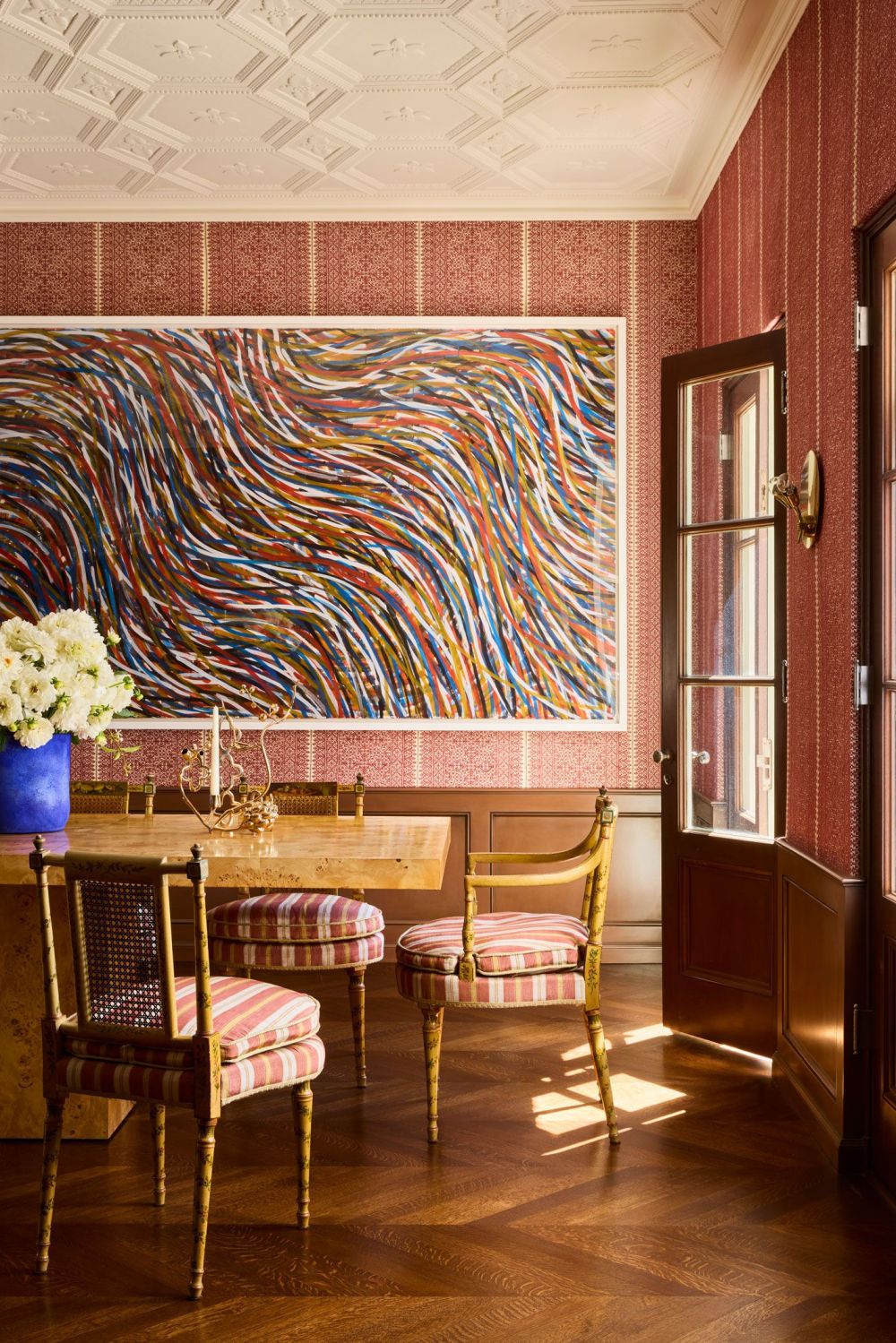
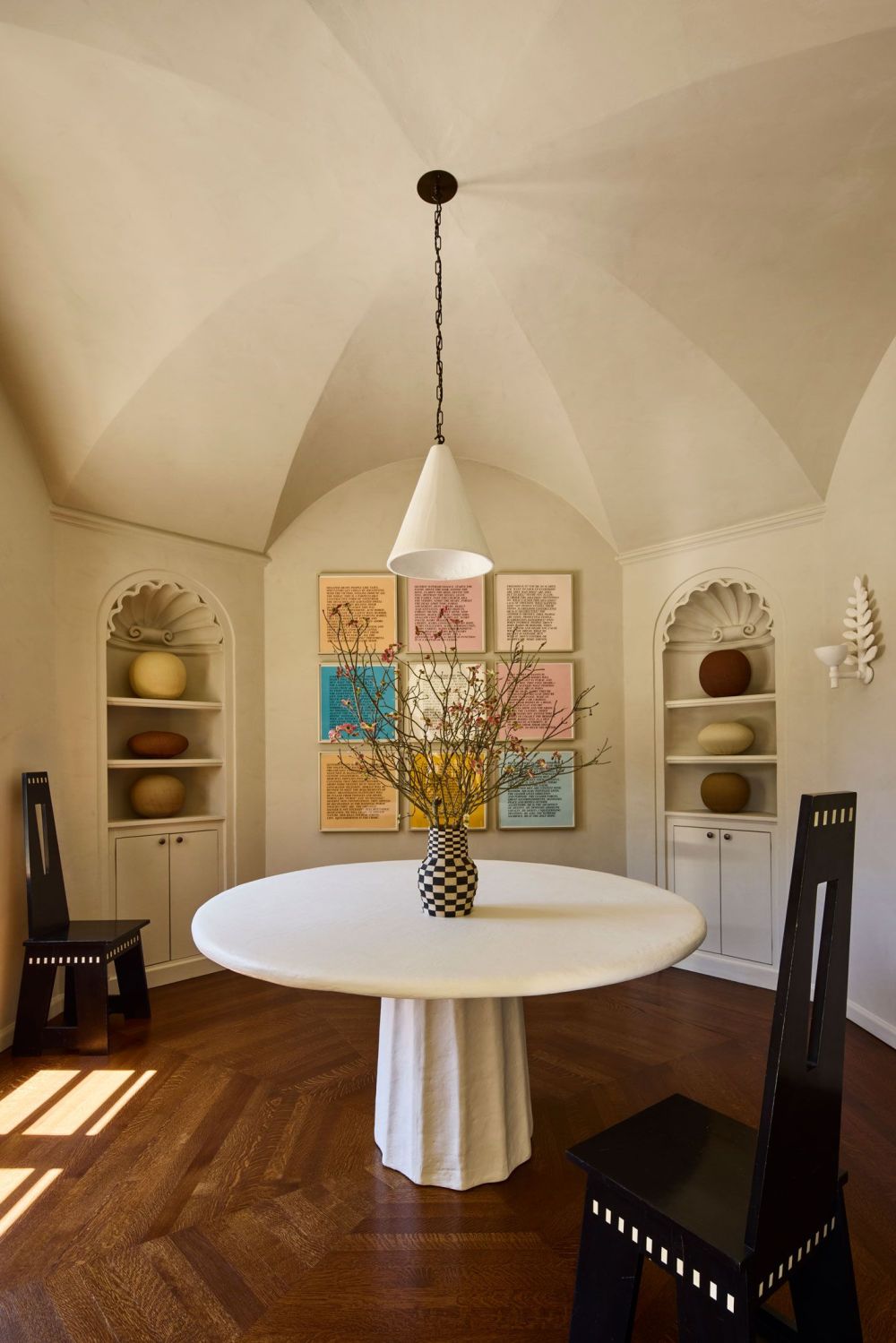
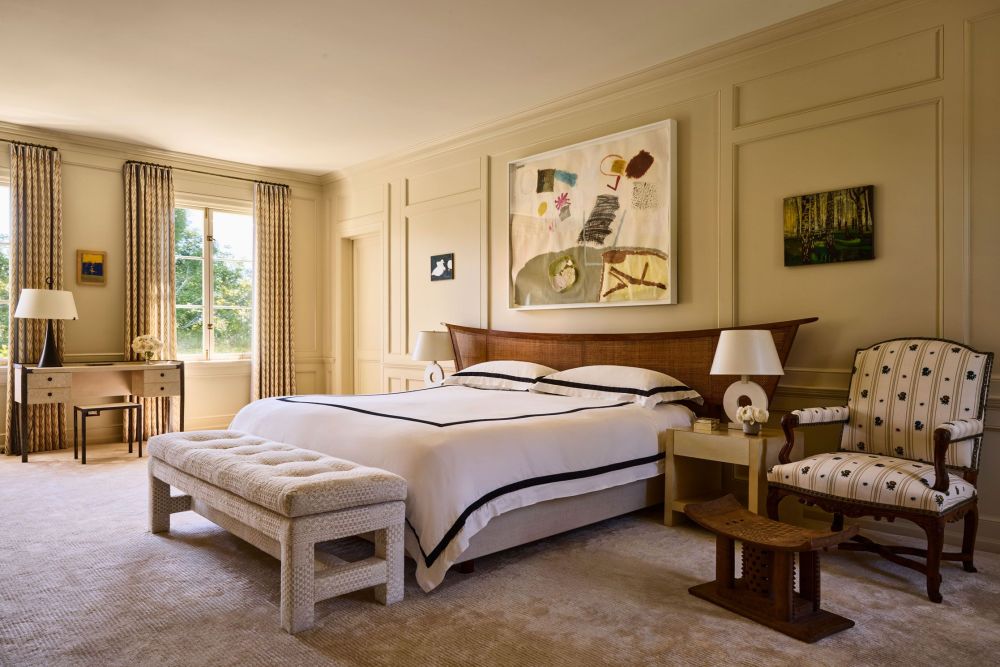
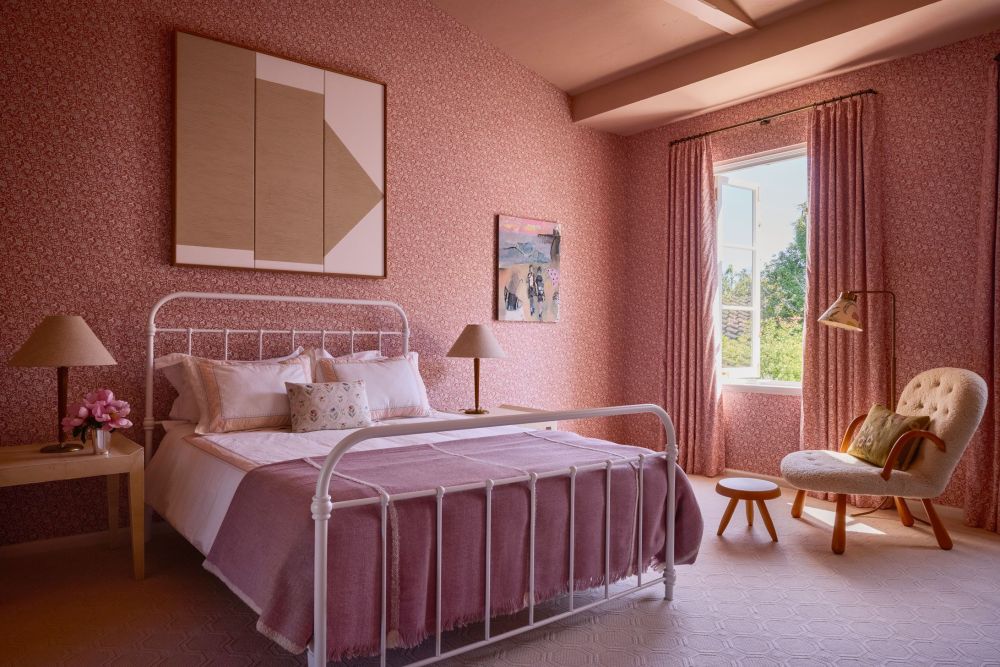
Fox, whose gift for pairing museum-quality art and Clarence House textiles with clever finds from CB2 is unmistakable, relished curating and expanding the couple’s collection of rare pieces. In the dining room, Fox paired dining chairs from Queen Victoria’s personal collection he found at a Christie’s auction with a 1970s vintage Milo Baughman dining table. In the primary bedroom, he placed a George Nakashima headboard, flanked by vellum side tables in the style of Jean-Michel Frank, alongside an 18th-century Régence fauteuil from the husband’s childhood Fifth Avenue home beneath a work by Brooklyn artist SoiL Thornton. “One of my favourite things to do,” the designer says, “is figure out how someone’s going to be drawn into a room with the art and furniture and how it’s placed.”
- 转载自:AD(admiddleeast)
- 图片@AD(admiddleeast)
- 国家:美国
- 编辑:序赞网
- 翻译:序赞网
- 阅读原文
|
|